Freelance Experts Are Key to Increased Efficiency in the Public Sector
18 september, 2025 - 12:21

In recent years, the labor market has undergone a major shift. We've witnessed a global awakening and transformation in how companies and institutions approach expertise. More and more, the focus is placed on the projects that need to be completed—regardless of whether they're tackled in-person or remotely, by permanent employees or contractors. Freelancce experts are no longer a fringe solution; they are now a key factor in creating competitiveness in a workplace rapidly changing due to new technology and evolving job roles.
Flexibility That Cuts Costs and Increases Productivity
The flexibility, cost-effectiveness, and productivity boost that this working model offers is undeniable. That’s why it’s time for municipalities and public institutions to start utilizing it more actively.
So, what can we do to take advantage of this opportunity?
One way is to reserve core operations for permanent staff and delegate project-based tasks to freelance professionals. This ensures access to the right knowledge at the right time while protecting and strengthening the organization’s core. This setup works for all types of organizations—including those in rural areas.
“In rural areas, access to experts is limited, and it’s often more difficult to hire specialized professionals. That’s why it’s important to have access to experts who can come and go for short or long periods. Generally speaking, I believe municipalities rely heavily on traditional consulting, as we do too—but we’ve also used freelance experts through Hoobla to fill temporary roles, and it’s worked very well,” says Pétur Arason, Mayor of Húnabyggð.
According to Harpa Magnúsdóttir, CEO of Hoobla, public institutions have already used Hoobla’s services to bring in project managers, finance professionals, payroll specialists, bookkeepers, HR experts, records managers, software experts, and more.
It’s Not Just About Growth for the Experts
According to a recent article on Entrepreneur.com, global income growth for freelance experts increased by 8.27% per year between 2023 and 2024. At the same time, smaller consulting firms have grown by 18% annually, driven by the rising demand for on-demand expertise.
A recent NBER report (National Bureau of Economic Research) suggests a 3.6% productivity increase over five years when utilizing external consulting. Research by Fiverr.com reveals that over 40% of companies reported higher productivity after working with freelance experts. During the pandemic, contract work increased by 47%, showing how quickly businesses can adapt. Wired.com, known for tech, innovation, and culture reporting, notes that in the tech sector, freelance experts are now key players in AI, cybersecurity, product development, and leadership roles.
This Is Not a Trend — It’s a Real Shift
Iceland is perfectly positioned to embrace this working model. We have a well-educated workforce, strong human capital, and high digital literacy. Many municipalities and public institutions already use freelance experts to some extent. However, too many are still stuck in outdated hiring models. Protective clauses in public employment contracts lead to high costs and reduce both economic efficiency and service quality.
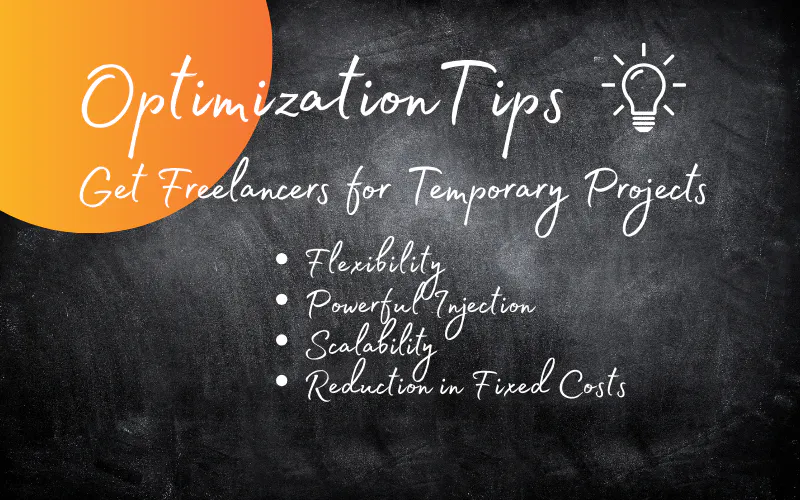
By leveraging freelance professionals through structured, trustworthy platforms like Hoobla, municipalities and institutions can:
- Lower fixed staff costs
- Avoid operational disruptions due to illness
- Access expertise when needed
- Scale operations up or down efficiently
- Improve flexibility and service quality
The facts are clear: over the long term, this work model offers flexibility, lower costs, increased productivity, and improved efficiency for public institutions. Freelance experts aren’t a last resort—they are a strategic tool for better operations. It’s time for the public sector to rethink workforce management and seize the opportunities that freelance experts offer.
Link to the Article published in Viðskiptablaðið on September 4, 2025
Harpa MagnusdottirFounder & CEO